110 flights.Six places that taught.
01San FranciscoApril 2026 · 7 days
The city where failure is a line, not a stain.
Five hundred dollars across seven days. Flights, room, every meal. The dream had been to walk this city before walking it; a place I had seen in pixels for years finally had blocks and hills and the smell of eucalyptus.
Minerva Admitted Students Day on the Saturday. Stanford the afternoon after — the most beautiful campus I have ever walked through, and the one that rejected me the spring before. Two free hours that cost more than the rest of the trip's accounting.
The detail that won't leave: the AI ads on the 101, targeted at VCs. A country whose billboards assume the reader has fifty million dollars to deploy. Equally undeleted: the people on Market Street who lost the bet. No safety net. Rents that turn one bad month into permanent street.
Polish version of the same culture: failure is a stain, so you don't start. SF version: failure is a line on a résumé. The difference is most of why people in Skrzyszów never try.
- Where
- San Francisco · the Mission
- When
- April 2026 · 7 days
- Spent
- $500 · all in
- Reason to return
- Minerva, fall '26
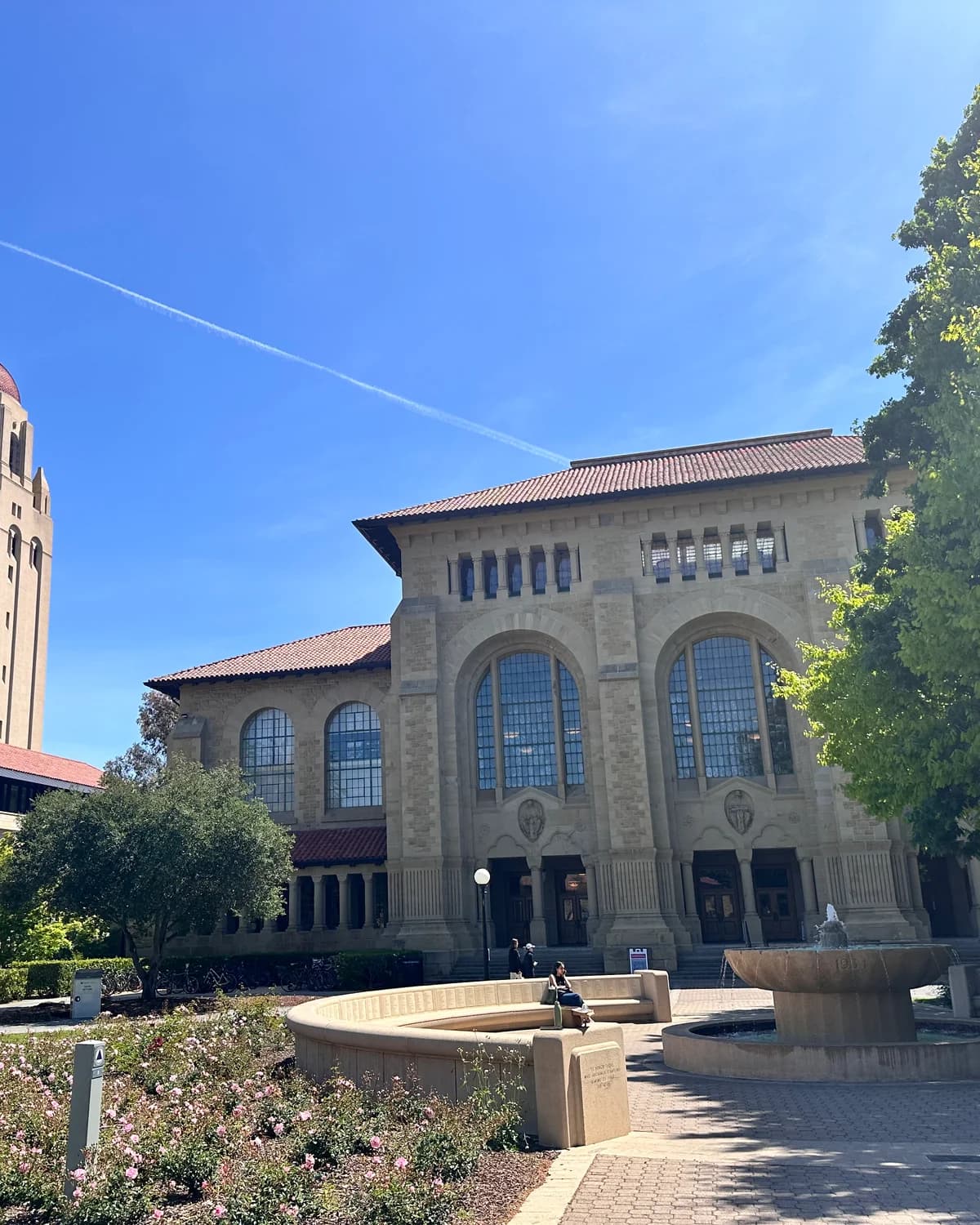
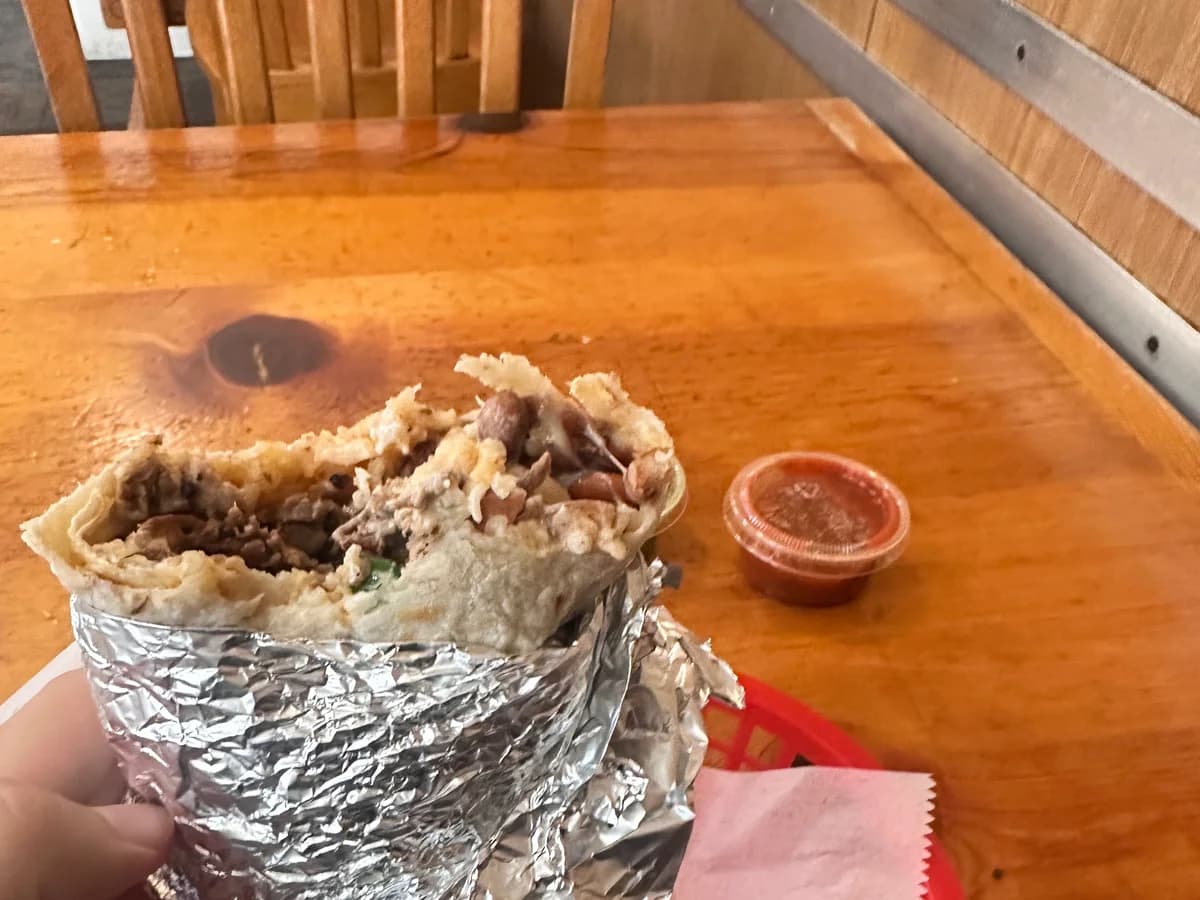

People here care about what you can do. Not how old you are. Not which schools said yes.
Southeast AsiaFebruary 2026 · 4 countries · 27 days
Four countries. Twenty-seven days. The half of the map I knew the least about, and learned the most from.
02ThailandBangkok · Chiang Mai · 7 days
The country that smiles harder than its math says it should.
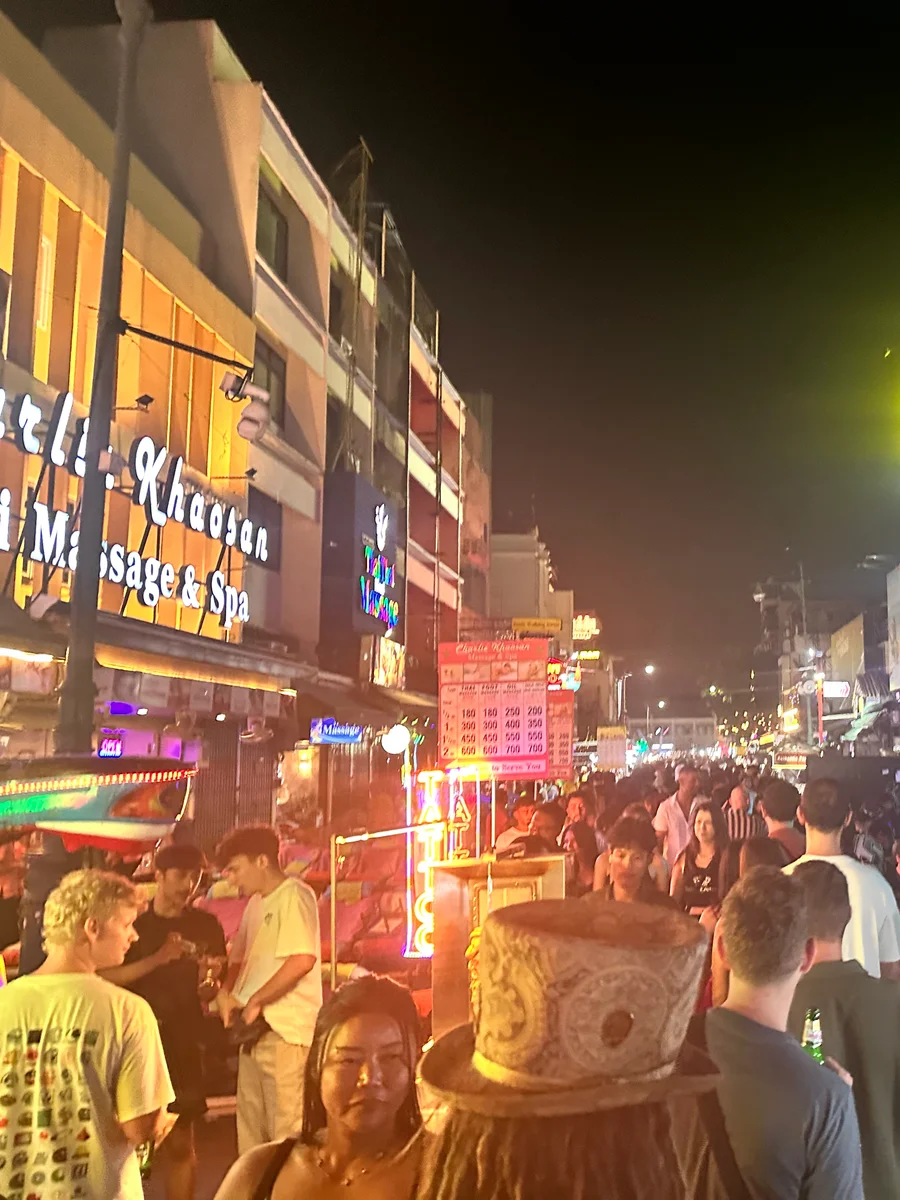
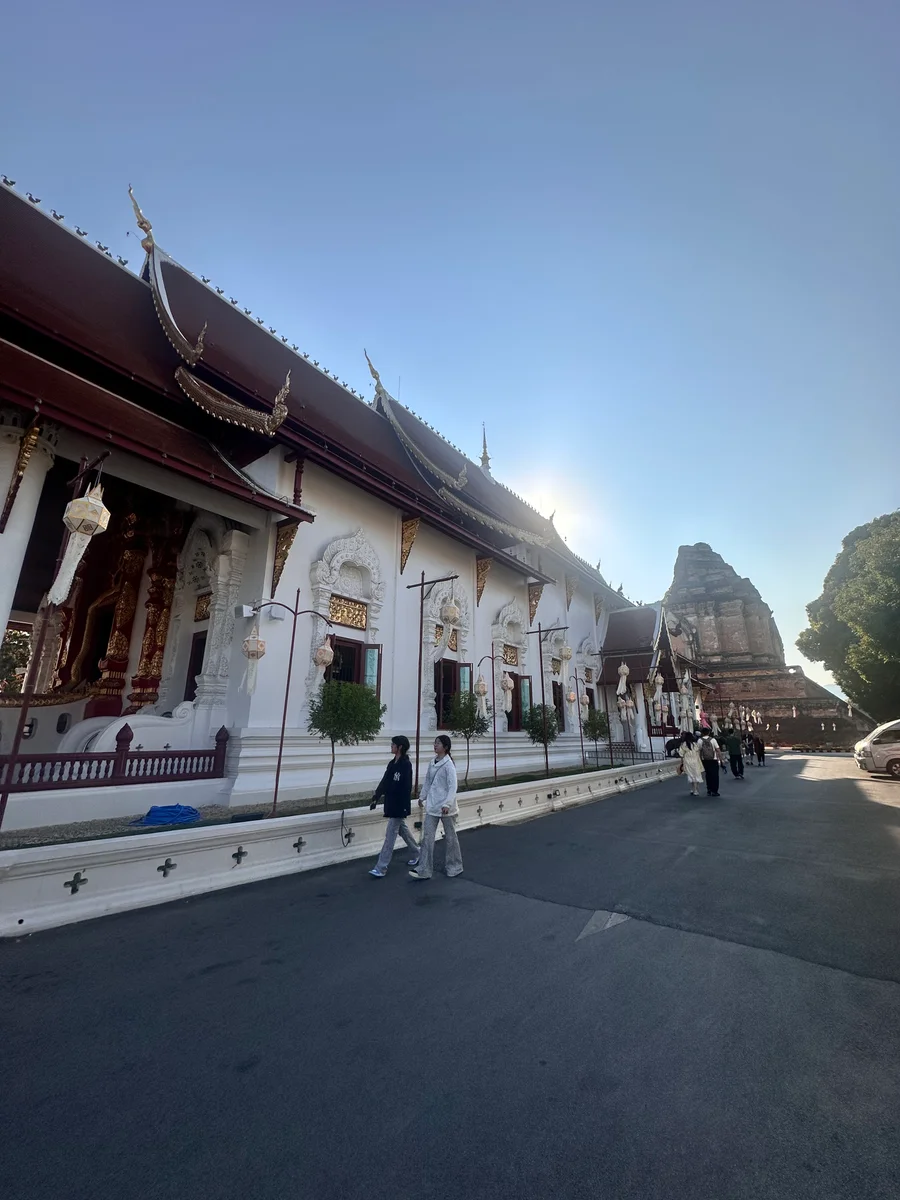
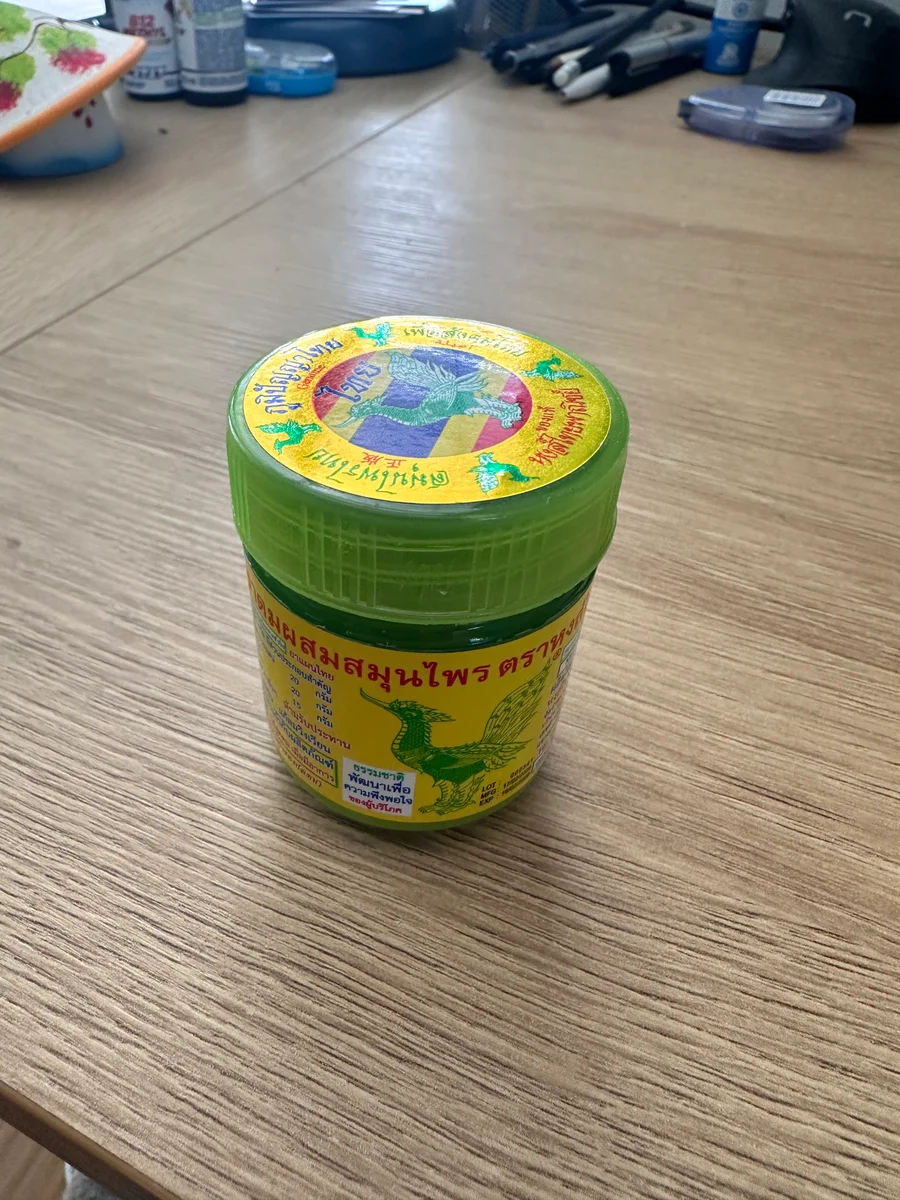

The food was better than anywhere I had ever eaten — Bangkok and Chiang Mai both, an order of magnitude past anywhere else I had been. The smiles weren't naive. They were practiced.
Chiang Mai is the quieter half. Slower bicycles, the temples in the morning, the air carrying charcoal. The kind of unbusy most of life used to be, before the cars and the SkyTrain and the apps.
The trip's cost is mostly paid by people who aren't on it. The average Bangkok resident spends seventy percent of monthly salary on rent — because Western tourists decided that $400 a month is a 'cheap flat' worth buying out. The price of the city to a tourist is not the price of the city to the city. The smile is the country's tourist-facing product. The rent is the bill.
The motorbike I will not forget: a Grab driver, no helmet (none of them had one — I asked every time), seventy kilometers an hour on the highway, scrolling TikTok with both eyes for the better part of a kilometer. The bucket I had drunk before the ride is the only reason I didn't have a heart attack on the back of it. The next motorbike I rented was in Vietnam.
03VietnamHanoi · Ho Chi Minh City · 7 days
Two cities pretending to be the same country.
Hanoi and Ho Chi Minh City share a flag and not much else. Hanoi remembers the lane order the cyclos used to wait in. Saigon doesn't pretend lanes exist. Bánh mì specifically — the food that ruined sandwich expectations for the rest of my life.
You spend dong like Monopoly money: lunch four dollars, massage three, dinner two, a Grab bike three, museum three, hostel ten. By evening you have burned a hundred. Anyone who has been will recognize the math.

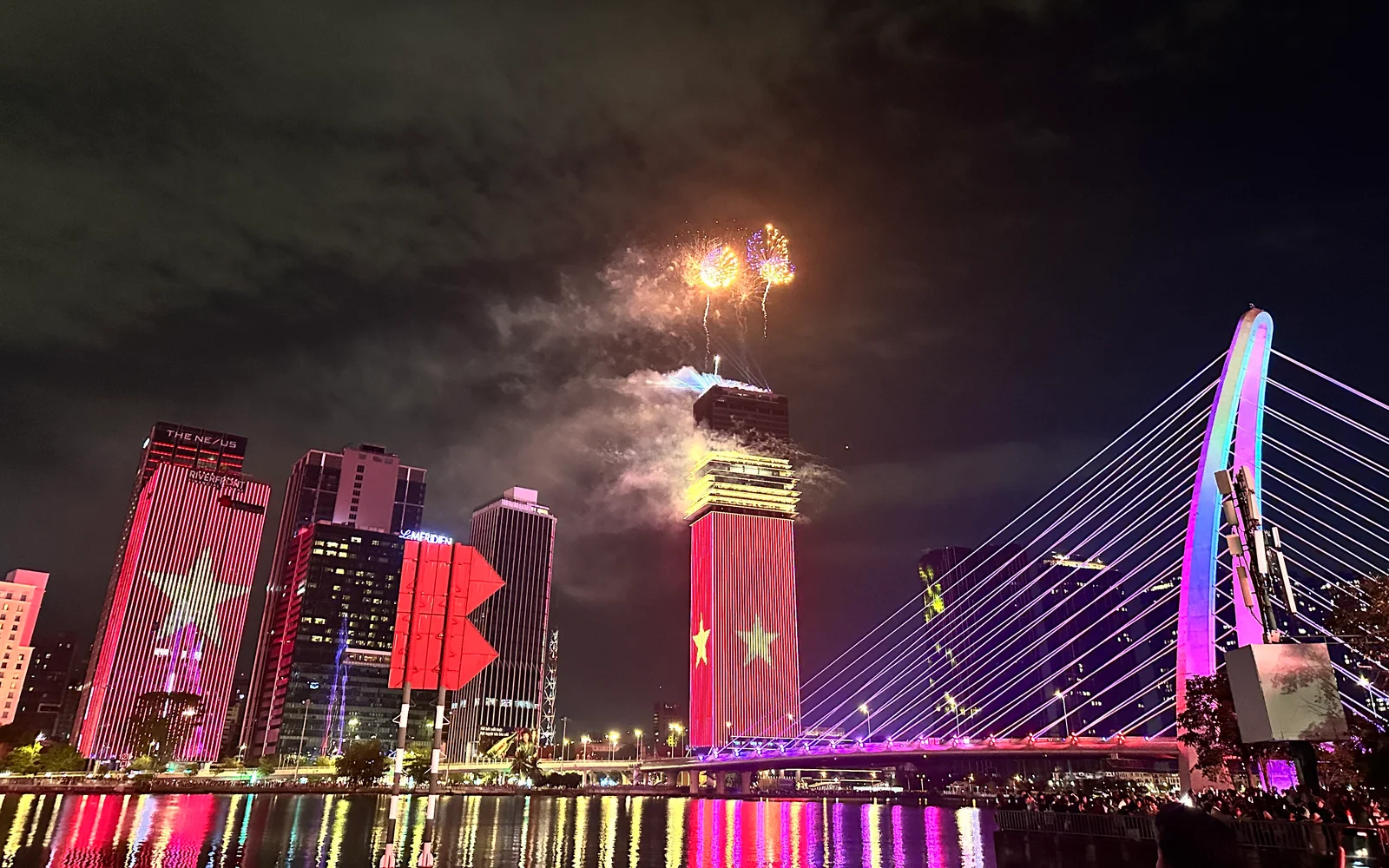
Vietnam looks ten years ahead of Europe in places: skyscrapers that double as full-block screens, a QR economy that has lapped Western payment apps, technology you'd expect a country to be proud of and they treat as ambient. Theoretically a communist country. Practically one of the most capitalist I have stood in. Hammer-and-sickle banners above the Gucci storefront. Neither the banner nor the line outside Hermès appears to notice the contradiction.
The history is less photogenic. They call it the American War, and that name should stand. Western textbooks default to the American story — young soldiers sent against their will — and that story is true. The villages exterminated by the same soldiers, and the children born with Agent Orange's signature decades after, are mostly absent from the books I grew up reading.
“American War. The country uses the name as the argument.”
Vietnam outlasted the world's wealthiest military with terrain, patience, and the quiet underwriting of two larger powers. The parallel to Polish partisans against the Nazis is imperfect — different scale, different politics — but the instinct is recognizable: when an empire arrives, you stop trying to win on its terms. And before that: Vietnam pushed the French out, the way Poland in 1918 had three empires walk out of it. Two countries with similar instincts about who gets to write their own name.
04CambodiaSiem Reap · Phnom Penh · 5 days
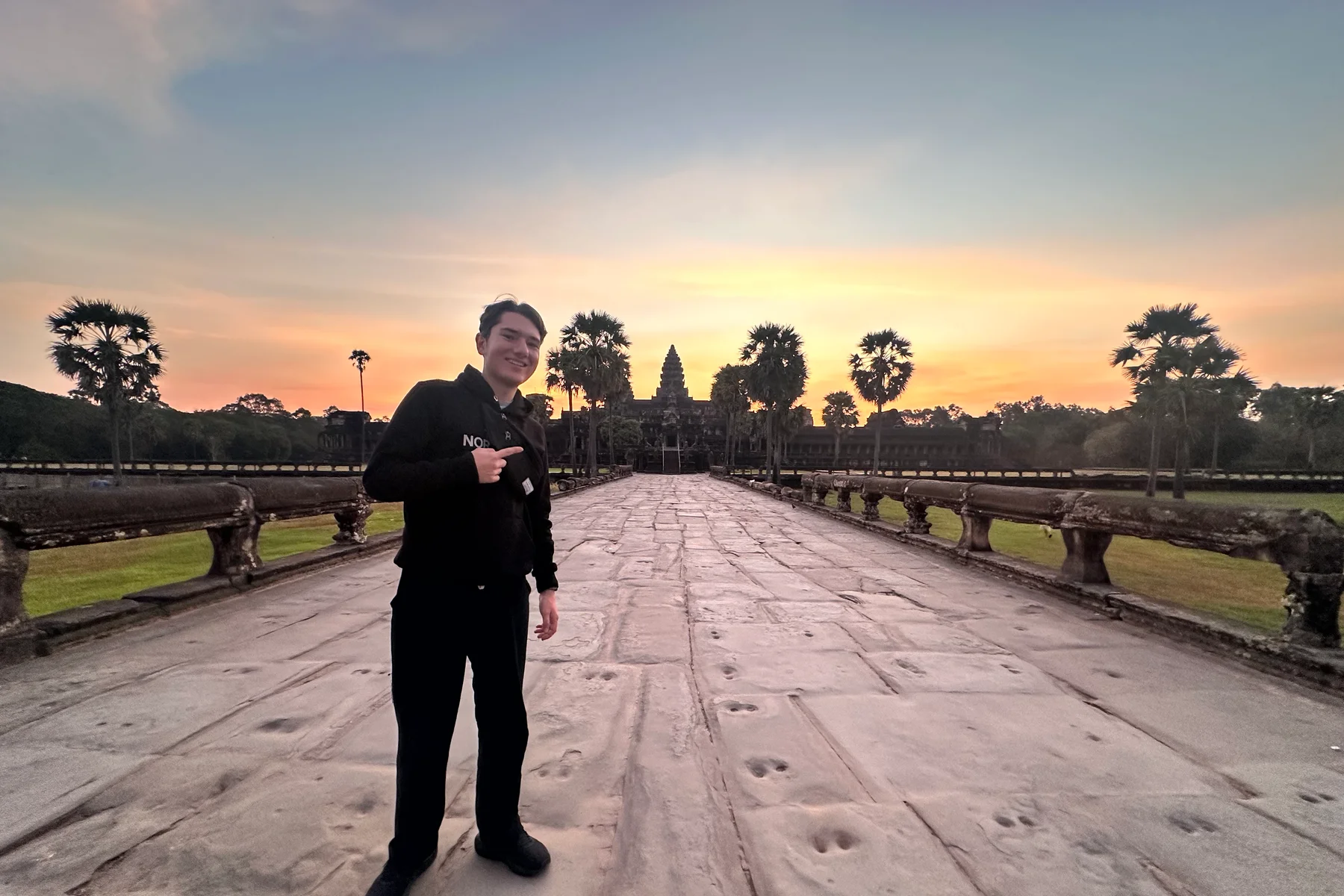
Three days inside the temples. Three hours inside the museum.
Angkor isn't one ruin. It's hundreds, written across centuries in the same architectural sentence. Three days. Ten hours of walking each. More steps than the rest of the trip combined. I have forgotten almost all the names. I have forgotten none of the differences between them — the same language, but every century's dialect is recognizable on sight.
That a society this organized existed nine hundred years ago is the part that doesn't sit comfortably with the European default story of progress.
Phnom Penh is the other half. Tuol Sleng — S-21, a high school turned interrogation prison. The Killing Fields, an hour outside the city. Around a quarter of Cambodia's population dead in four years, 1975 to 1979. The regime that did it kept Cambodia's UN seat for ten years after its fall — funded by the United States and the United Kingdom, because the alternative government was Vietnamese-backed, and Cold War accounting decided that fact mattered more than the math at S-21.
You don't take photos at S-21. The numbers on the wall are direct enough. The interrogation rooms still have the rusted bed-frames. Most countries have something like this in their history. Few have it this recent.
05SingaporeFebruary 2026 · 3 days
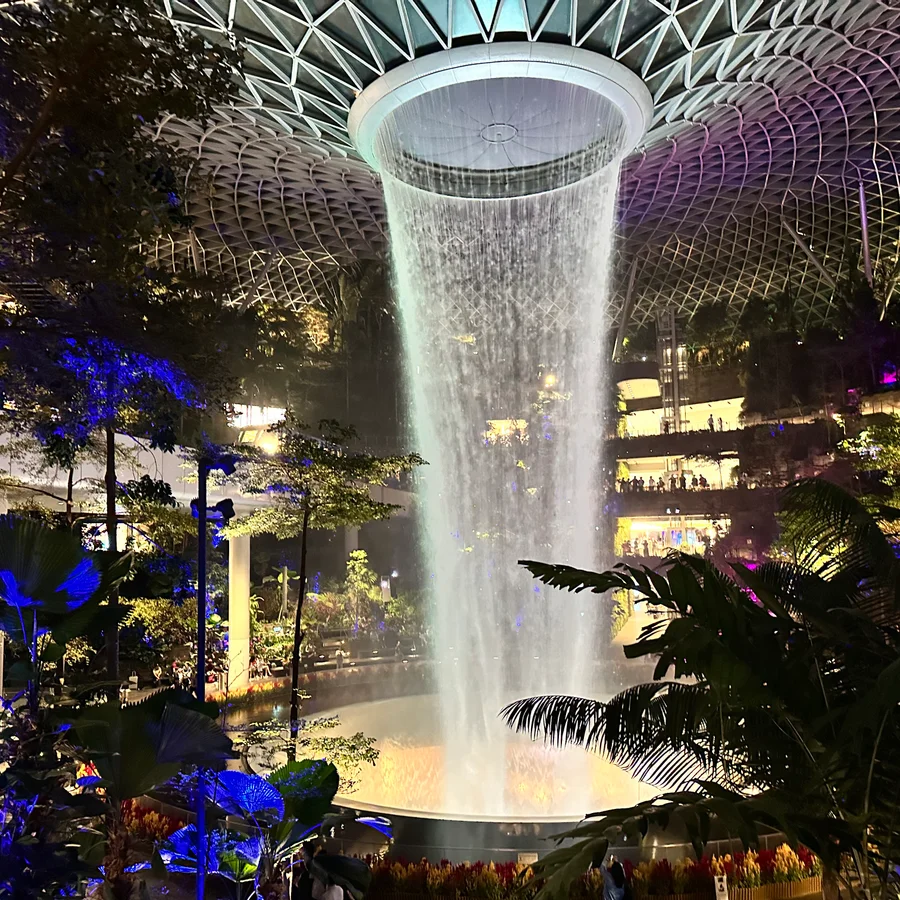
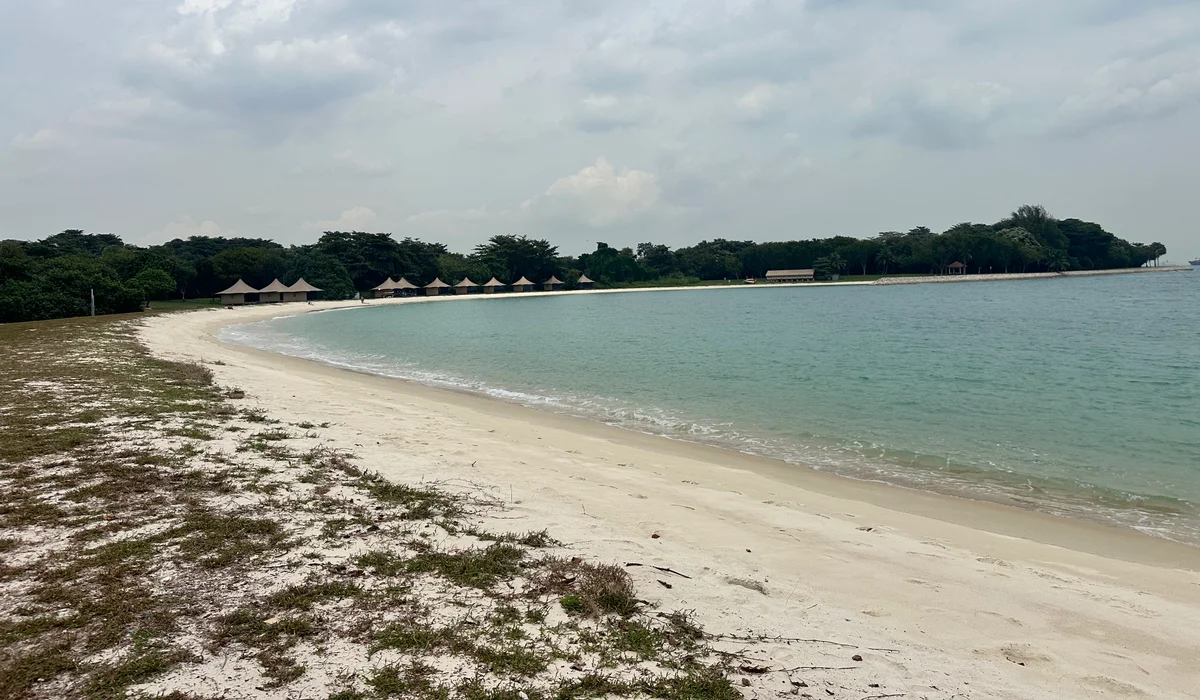
A Southeast Asian country that decided to stop being Southeast Asian.
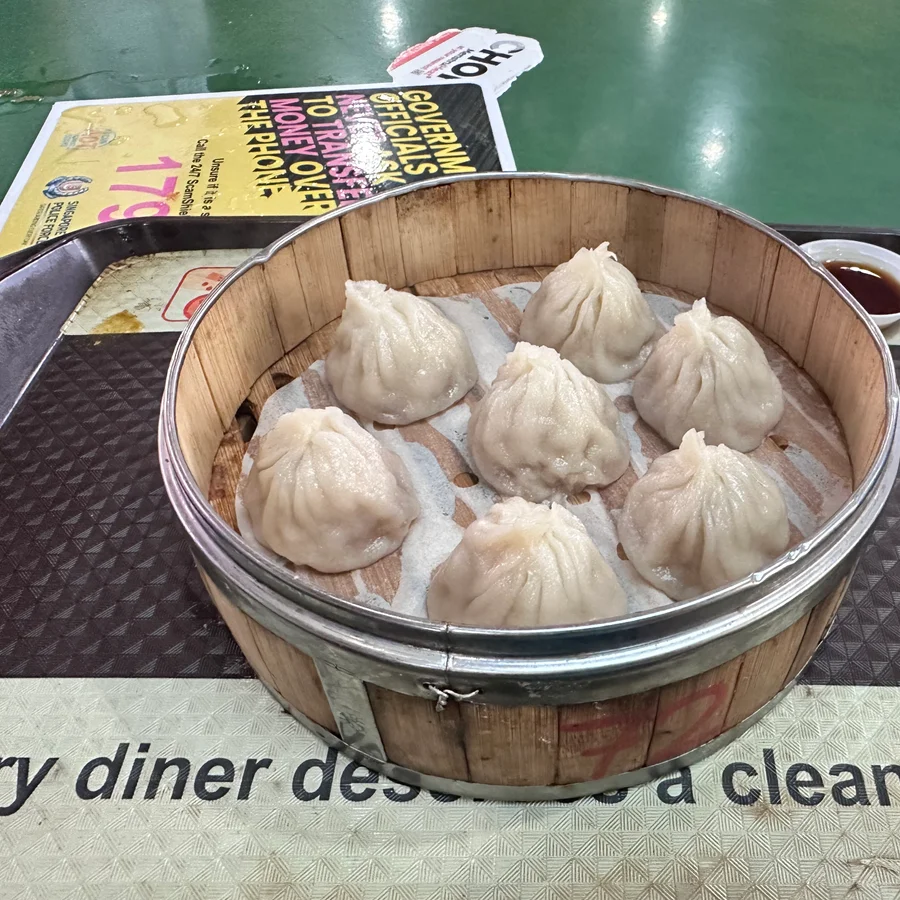
Everyone queues. The queue is the city's shared idea of itself: it moves, you arrive at the front, you are served, you leave. The country runs on the assumption that this works, and the assumption is correct often enough that it has become the design language.
Sixty years from a fishing port to this. Lee Kuan Yew's books should be required reading for any country trying to start where his started. He paid for it in ways most modern democracies wouldn't. The bill was paid in full.
What Poland could look like if we stopped apologizing for our existence. There is something in our blood from the post-1945 generation — taught in school, then at home, then at work, that the polite thing is to keep your head down and the modest thing is to assume you do not deserve more. Singapore decided differently and now lives in a different century.
The cost is real. The grind is louder than the country admits. The expectations of every nineteen-year-old here are a line most people in Wodzisław would walk away from on the first day. I slept in a twenty-two-bunk hostel dorm — the cheapest way for me to actually be in the country. But for a window I was looking at what Poland could be if it stopped asking permission to deserve it.
06Luxembourg2 days · $120
Luxembourg is a country built by reading footnotes. I got there by reading the same kind of footnote.
Luxembourg has 660,000 residents and the second-highest GDP per capita in the world. The fiscal infrastructure was built before the city was. ArcelorMittal, RTL, SES, half of Amazon's European traffic until the law caught up — all addressed here for the same reason a Delaware mailbox is in Delaware. The country sells legal residency the way Detroit used to sell cars.
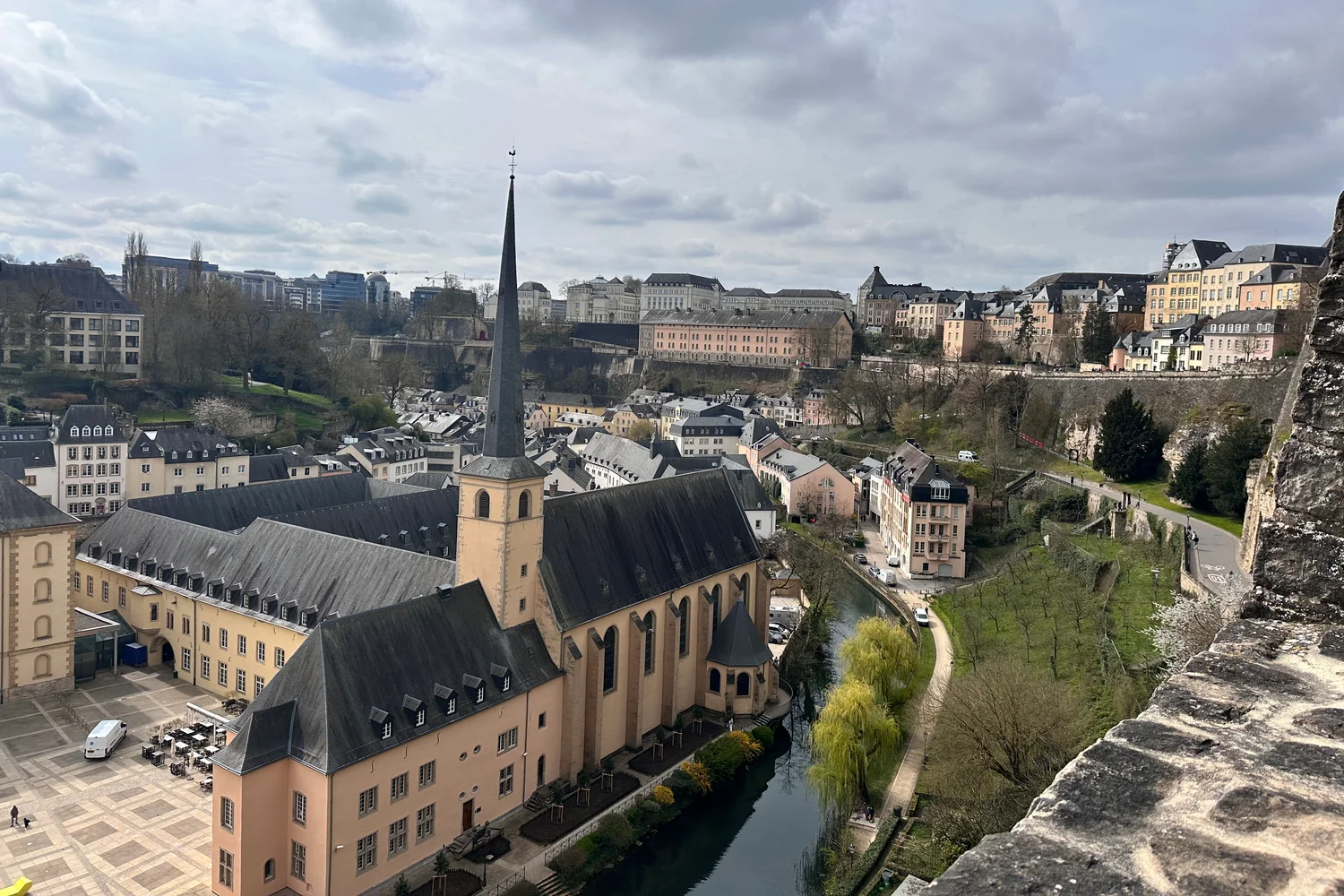
Walk it and the abstraction becomes legible. Wide avenues, monumental architecture, a tram that costs nothing because the tax base is large enough that public transport is rounding error. The Old Town fits inside a twenty-minute walk. Every person I spoke to was working in their third or fourth language — French at the post office, German with the cab, English on the call, Luxembourgish at home. The country itself is a vendor to its neighbors.
I got there for one hundred and twenty dollars. Ten thousand Miles & More miles redeemed on LOT against an Easter Friday — no business traveler flying, every cabin half-empty, the award chart priced for a normal Friday. Seventy on a Hilton room that would have been three hundred any other weekend. Fifty on the rest.
The trip and the country run on the same instinct. Luxembourg noticed the EU tax code had rooms nobody was checking and built a state inside them. I noticed Miles & More had Easter Friday priced like every other Friday, and got a European capital for the price of a hostel in Warsaw. The country's version is institutional and worth tens of billions a year. Mine paid for two days. The pattern is the same: read the footnote, find the room nobody is in, walk through the door.
Luxembourg works for people who already have what the system wants. Wages are taxed at ordinary European rates. The arbitrage is for capital, not labor. A nineteen-year-old who got there on miles is on the wrong side of that line, and the supermarket prices say so in the first hour.
Six places. The map wasn't really of them. It was of the country I came from.
Each place made one thing exportable visible. San Francisco — failure as a line, not a stain. Vietnam — a country that carries its own past without apologizing for it, in a way mine could learn from. Singapore — discipline as a state decision, not a personal virtue. Cambodia — great-power patronage as conditional, not permanent. Luxembourg — the instinct to read a tax code as a map of rooms instead of a wall. Thailand is the one I would leave whole.
The point of going was not to come back with photographs. It was to come back with imports — and with the receipts, so we don't pretend they were free when we copy them.